
The hostel survival guide: how to manage your monthly budget without living on instant noodles
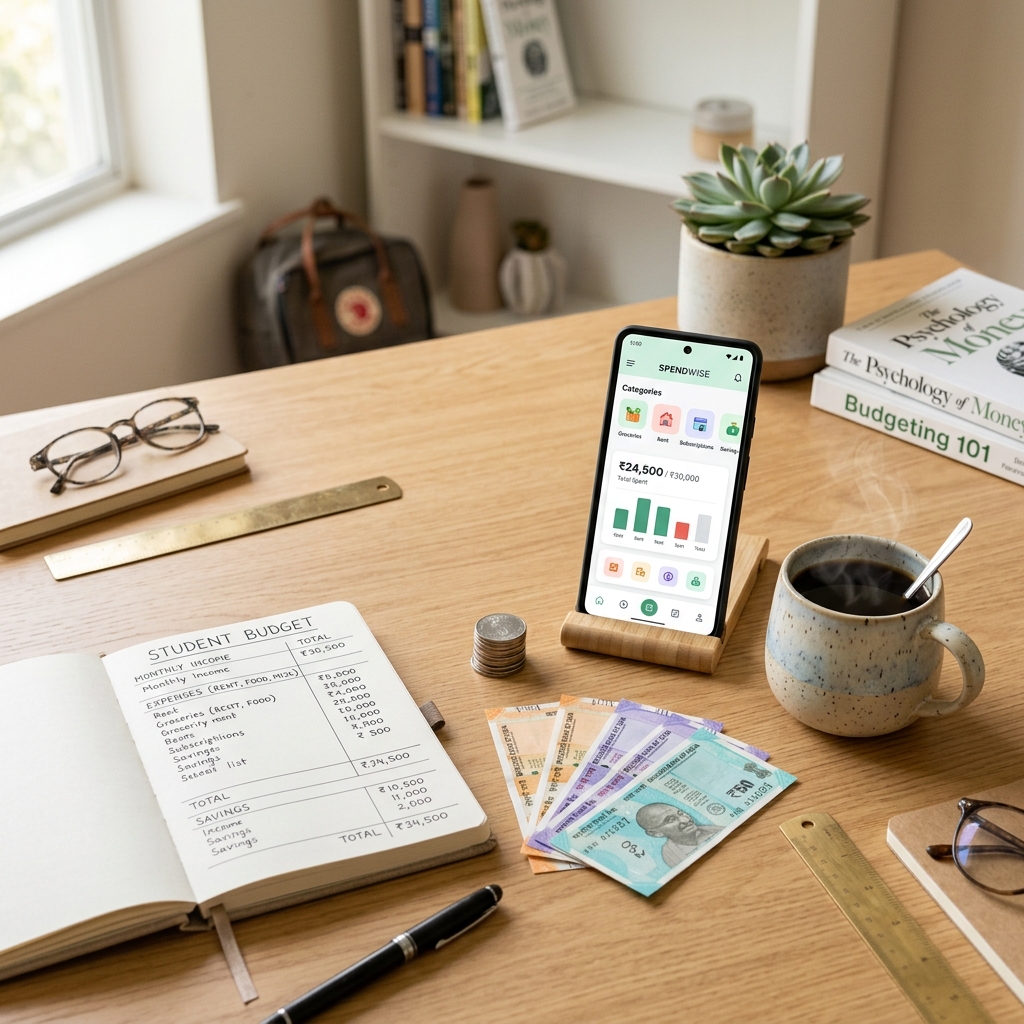
It was the 18th of October, and I had exactly 142 rupees left in my bank account. I sat on my creaky hostel bed in room 304, staring at a half-empty packet of instant noodles, wondering where my entire monthly allowance had vanished. I had received it just two weeks earlier. My parents thought I was eating balanced, nutritious meals; in reality, I was calculating if I could skip dinner to afford the photocopy charges for my semester project notes.
If you are living in a hostel, this scenario probably sounds way too familiar. Moving out of your home and into a college hostel is one of the most exciting phases of your life. But the freedom comes with a sudden, sometimes brutal realization: laundry costs money, late-night tea stalls add up, auto-rickshaws eat into your savings, and sudden birthday treats can obliterate your weekly budget in a single evening.
Having a practical monthly budget calculator for hostel students isn't about restricting your fun or counting every single rupee like a miser. It is about understanding where your money goes so you can make choices that keep you afloat until the last day of the month.
At TownMate, we regularly hear from students who struggle to manage their finances because standard budgeting advice just doesn't fit the chaotic reality of student life. Here is the realistic, student-tested guide to mastering your hostel budget.
Quick Summary Box
- What this article covers: A realistic breakdown of hostel expenses, the psychology of student spending, actionable budgeting frameworks, and a day-by-day action plan.
- Who should read it: College students living in hostels or PGs, coaching aspirants in hub cities, and parents trying to figure out a fair monthly allowance.
- Key takeaway: Traditional budgeting rules fail students because student expenses are highly erratic. Success lies in separating fixed needs from late-night impulse spends.
- Expected reading time: 9 minutes
Why do standard budget calculators fail hostel students?
If you search for a generic budget calculator online, it will tell you to allocate 30% of your income to housing, 15% to debt repayment, and 10% to retirement savings. For a student living in a hostel, this advice is completely useless.
Your "income" is a fixed allowance, your housing is usually prepaid by your parents at the start of the semester, and your biggest financial drain is often the bad food at the hostel mess that drives you to order takeout.
Student spending is uniquely volatile. One week you might spend next to nothing because you are locked in your room cramming for exams. The next week, you might have to pay for a field trip, buy reference books, contribute to a friend's birthday gift, and pay a local auto-driver double the usual rate because it rained.
A student-first budget calculator must account for these spikes. It needs to factor in the local tea stall, the photocopy shop, the emergency medicine run, and the occasional weekend getaway.
Decoupling your budget: fixed vs. variable student expenses
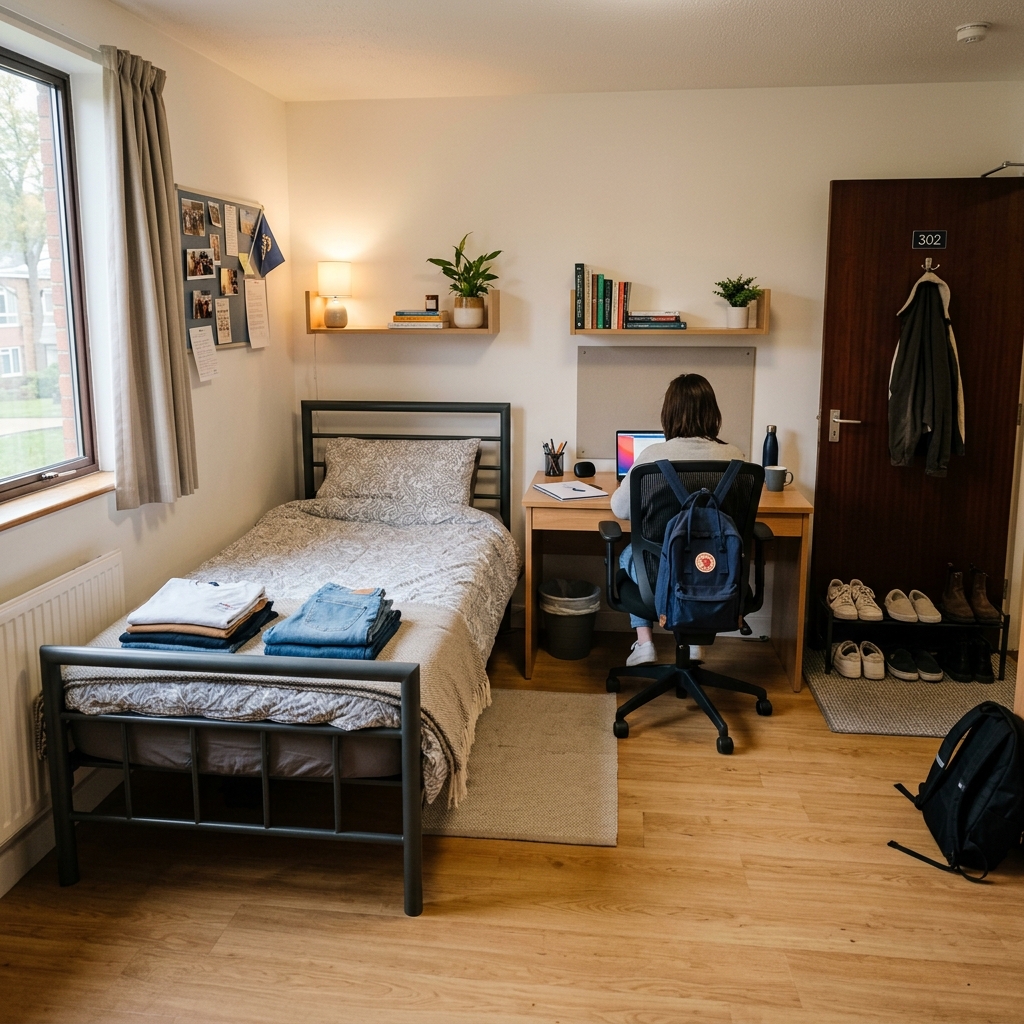
Before you can build a budget, you need to understand what you are working with. Hostel expenses generally fall into two distinct buckets: fixed expenses (the things you have to pay, no matter what) and variable expenses (the things you can control, even if it doesn't feel like it).
1. Fixed expenses (The Non-Negotiables)
These are expenses that are usually set in stone for the semester or year. Often, your parents pay these directly, but if you are managing the allowance yourself, you must set this money aside first.
- Room rent or hostel fees: Usually paid annually or per semester.
- Mess charges: The base price for your daily meals.
- Academic fees: Semester registration, exam fees, and lab deposits.
- Utility bills: Internet plans, laundry packages, or electricity charges (if billed separately).
2. Variable expenses (The Budget Killers)
This is where most students lose control. These expenses fluctuate based on your choices, social circles, and academic demands.
- Outside food and snacks: The late-night rolls, chai breaks, coffee runs during group studies, and weekend dinners.
- Local travel: Auto-rickshaws, metro fares, local buses, or fuel for your scooter.
- Academic supplies: Printouts, photocopies, project materials, and notebooks.
- Socializing and entertainment: Movies, birthday treats, and shopping.
- Personal care: Toiletries, haircuts, and laundry detergent.
Realistic cost breakdowns: Tier-1 vs. Tier-2 college cities
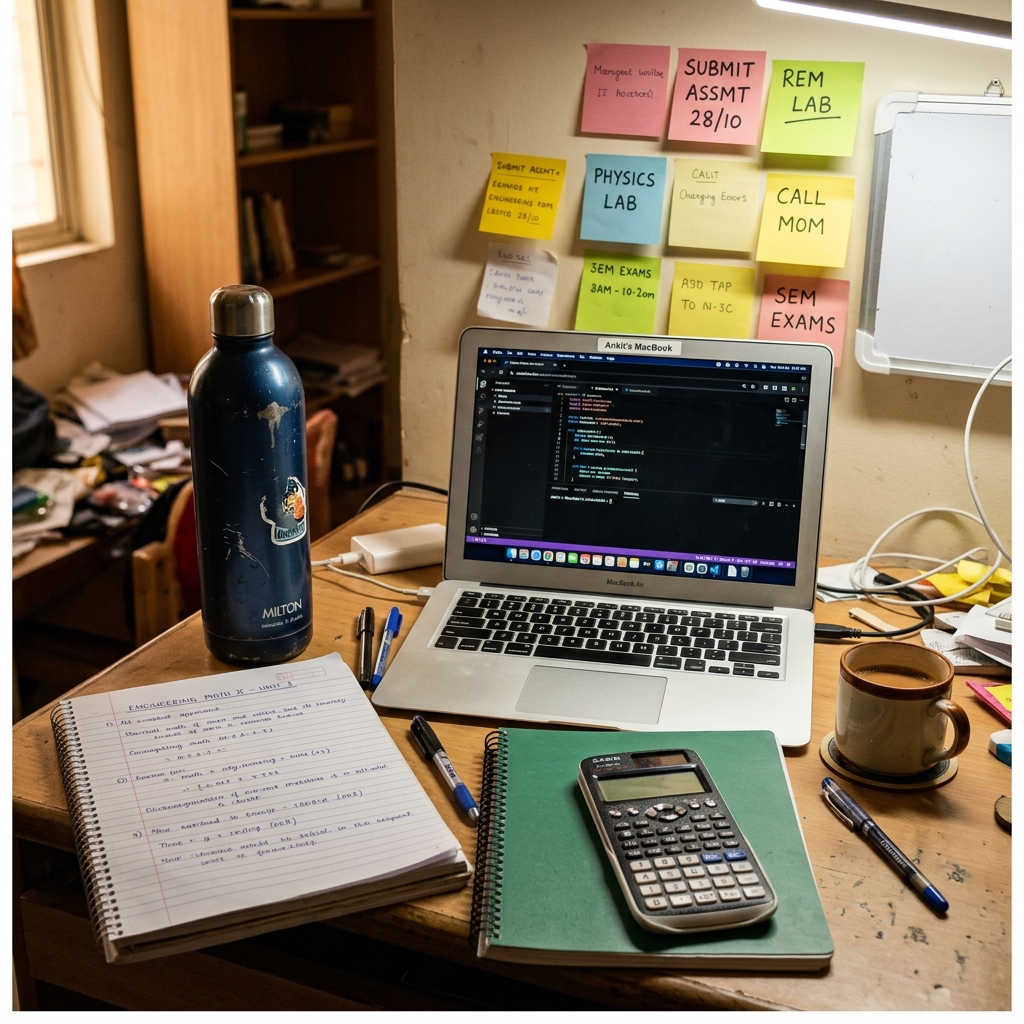
The city you study in dramatically changes your cost of living. A student living in a hostel in Pune or Delhi faces very different financial pressures compared to a student in Kota preparing for competitive exams, or someone studying in a smaller college town.
Here is a realistic breakdown of typical monthly variable expenses (excluding pre-paid hostel rent and basic mess fees).
| Expense Category | Tier-1 City (Delhi, Mumbai, Bengaluru) | Tier-2 City (Pune, Hyderabad, Chennai) | Tier-3 / Coaching Hub (Kota, Indore, Trichy) |
|---|---|---|---|
| Outside Food & Chai | 3,500 - 5,000 | 2,500 - 3,500 | 1,800 - 2,500 |
| Commute & Transport | 1,500 - 2,500 | 1,000 - 1,500 | 500 - 800 |
| Prints & Academics | 800 - 1,200 | 600 - 1,000 | 1,000 - 1,500 (High study material volume) |
| Social / Entertainment | 2,000 - 3,500 | 1,200 - 2,000 | 500 - 1,000 |
| Toiletries & Personal | 800 - 1,200 | 700 - 1,000 | 500 - 800 |
| Emergency Buffer | 1,000 | 800 | 500 |
| Total Est. Monthly Spend | 9,600 - 14,400 | 6,800 - 9,800 | 4,800 - 7,100 |
The "TownMate 60-30-10" student budgeting framework
Since standard financial models don't work for college life, we created a simplified allocation framework specifically designed for hostelites. We call it the 60-30-10 Rule.
Essentials
Survival and Academics. Covers everyday travel, academic prints & xerox, soap, shampoo, and basic laundry. If you run out of money in this category, your academic performance or health will suffer.
Lifestyle
Living, not just surviving. Guilt-free spending money. Use it for cafe visits, weekend movies, late-night snacks, and celebrating birthdays. Once this 30% is gone, your social life goes on pause until next month.
Safety Net
The "Rainy Day" fund. Reserved for sudden medical expenses, last-minute travel home, or project emergencies (like a cracked phone screen). Keeps you from having to call parents for emergency cash.

The hidden budget leaks that catch students off guard
When you ask students where their money went, they usually blame big expenses like shopping or expensive dinners. However, when we audit actual student expenses, we find that the budget usually bleeds out through tiny, almost invisible cuts.
1. The "Mess Food Rebellion"
This is the single biggest cause of student budget failure. On days when the hostel mess serves something questionable, the immediate reaction is to open a food delivery app. Ordering a single meal might cost 200. If you do this three times a week, that is 2,400 a month—nearly a quarter of a typical student's budget.
2. The Subscription Trap
A cheap student discount on Spotify here, a shared Netflix screen there, a YouTube Premium subscription, and suddenly you are paying 400–500 every month for digital entertainment. If you are not actively using these subscriptions, they are a silent drain on your cash.
3. The "Group Project Tax"
When you work on group projects, you often meet at cafes because the hostel Wi-Fi is slow or the common room is noisy. A couple of coffees, a shared cab to a teammate's place, and printing a color report can easily cost 500 per project.
4. Small-Distance Auto Rides
Walking 1.5 kilometers to the metro station seems like too much effort at 8:30 AM when you are late for a lecture. Taking an auto-rickshaw for 40 seems insignificant. But doing it twice a day, five days a week, adds 800 to your monthly travel bill.
Cost Comparison: Mess Food vs. Online Delivery
Eating at the Hostel Mess
Pre-paid, fixed base cost. Every meal skipped here is a waste of money already paid.
Ordering a Basic Roll / Burger
Base item price, delivery fees, packaging charges, and taxes add up quickly.
Decision Flowchart: Should I take an Auto or Walk?
Budgeting profiles: matching your allowance to a strategy
Not every student has the same allowance. Some have to manage on a tight shoe-string budget, while others have a more comfortable cushion. Here is how you should structure your monthly plan based on your allowance size.
| Allowance Level | Recommended Strategy | Food Strategy | Travel Strategy | Social Life |
|---|---|---|---|---|
| Under ₹5,000 / month (The Bootstrapper) | Strict Essentials Only. Track every rupee daily. Focus heavily on mess food. | Mess meals are mandatory. Limit outside food to once a week at local street stalls. | Walk or use public buses. Avoid autos unless sharing with 3+ friends. | Stick to low-cost hangouts (campus lawns, local tea stalls). |
| ₹5,000 - ₹10,000 / month (The Balanced Student) | The 60-30-10 Approach. Create weekly limits. Allow some flexibility for lifestyle. | Use the mess for breakfast and dinner. Allocate ₹1,500/month for outside lunches/snacks. | Use Metro/Local trains. Keep a cap on monthly cab sharing. | Budget for one major weekend outing or movie every two weeks. |
| Above ₹10,000 / month (The Comfortable Hostelite) | Invest and Plan. Save the surplus. Focus on efficiency and comfort. | Eat out more frequently, but track delivery charges. Buy groceries for healthy room snacks. | Metro smart cards or shared app-cabs for convenience. | Set aside money for hobby classes, subscriptions, or weekend trips. |
Student interviews: real insights from hostel rooms
To understand how budgeting works in the real world, we spoke to students from different cities across India about their financial mistakes and strategies.
Ananya (Engineering Student, Pune)
"When I first moved to Pune, I felt pressured to match the lifestyle of my day-scholar friends who lived with their parents. They had cars and hung out at expensive cafes every evening. I spent my entire month's allowance in the first ten days trying to keep up. By the second month, I realized I had to be honest with them. Now, we hang out at local tapris (tea stalls) instead of high-end cafes, and my bank account is much happier."
Kabir (NEET Aspirant, Kota)
"In Kota, you don't spend much on movies or shopping because there is no time. But my budget was failing because of photocopies and test materials. Every week there was a new mock test series or notebook to buy. I learned that seniors sell their unused study material for half the price at the end of the year. Buying second-hand books saved me at least 1,500 every semester."
Meera (Arts Student, Delhi University)
"Delhi metro is a lifesaver, but my budget was leaking through auto rides to the station. I bought a second-hand bicycle for 2,000. It paid for itself in less than two months. Also, I realized that getting a student metro card with a monthly pass reduced my transit costs by almost 30%."
Original insights: what seniors wish they knew earlier
If you ask a final-year student what they would change about their early hostel days, they will rarely talk about studying harder. Instead, they will share practical tips on how they could have avoided constant financial stress.
The Myth of "Saving Money by Skipping Meals"
The most common and dangerous mistake students make when they are short on cash is skipping meals or living on instant noodles. While this might save you 100 today, the toll it takes on your health, energy, and concentration is immense. Eventually, you end up falling sick, and a single doctor’s visit plus medicine costs will wipe out whatever tiny amount you saved by skipping dinner.
The Power of Student Discounts
Your college ID card is a powerful discount voucher, yet most students rarely use it. Major companies like Apple, Samsung, Spotify, Adobe, and even local clothing stores and bus transit systems offer massive discounts for students. Always ask, "Do you have a student discount?" before paying for software, electronics, or tickets.
Second-Hand is Better-Hand
Never buy brand-new textbooks, lab coats, drawing boards, or room furniture. The seniors who are graduating are desperate to get rid of their old stuff because they cannot pack it all home. You can often buy study materials, table lamps, and plastic chairs for 70% off the retail price just by asking around in the senior hostel wings.
Your practical action plan: from broke to budgeted
Here is a step-by-step roadmap to get your finances under control. You can start this today, regardless of where you are in the middle of the month.
Phase 1: Day 1 & Day 2 (Audit and Track)
Do not try to change your spending habits immediately. For the next 48 hours, simply write down every single expense, no matter how small.
- Did you pay 10 for a cup of tea? Write it down.
- Did you spend 5 on a photocopy? Write it down.
- Use a simple note app on your phone. The goal is to see where your money goes when you aren't thinking about it.
Phase 2: Day 3 (The Category Sort)
Review your list from the last two days. Highlight the expenses that were absolutely necessary (essential commute, study material, basic food) in one color, and the impulse spends (snacks, autos instead of walking, online shopping) in another. This visual division will show you exactly where your budget is leaking.
Phase 3: Week 1 (Establish the Weekly Allowance)
Do not look at your money as a monthly sum. If you receive 8,000 a month, your brain thinks you are rich on the 1st of the month. Instead, divide it into weekly chunks.
- Subtract your fixed expenses first.
- Divide the remaining variable allowance by 4.
- If your weekly limit is 1,500, stick to it. It is much easier to manage your spending over 7 days than over 30.
Phase 4: Month 1 (Review and Adjust)
At the end of the month, compare your actual spending with your targets. Did you spend too much on food? Adjust your weekly limits for the next month. Did you manage to save some money? Move that 10% into your safety net account.
Authority Section: street-smart wisdom
Senior Student Advice
"Never buy a printer for your room. You might think it is convenient, but you will end up spending more on ink cartridges and paper than you would at the local photocopy shop. Plus, once your hostel wing finds out you have a printer, you will become the unofficial, unpaid printing shop for fifty other students."
— Rohan, Final Year B.Tech, HyderabadCommon Mistake Alert
Avoid "Buy Now, Pay Later" (BNPL) apps or instant student loan apps. They target students with promises of easy credit for buying gadgets or clothes. The interest rates and hidden fees are predatory, and falling into a debt trap before you even get your degree will ruin your peace of mind and your CIBIL score.
Expert Tip
"The simplest way to keep your budget on track is to have two bank accounts. Keep your main allowance in one account, and transfer your weekly variable limit to a second account linked to your UPI apps. This way, even if you overspend during a weekend outing, you physically cannot touch the money reserved for the rest of the month."
— Dr. Sunita Sharma, College Counselor & Financial Wellness CoachFrequently Asked Questions (FAQs)
How much monthly pocket money is enough for a hostel student?
It depends entirely on the city. For Tier-1 cities like Delhi or Mumbai, a realistic variable allowance (excluding room rent) is 8,000 to 12,000. For Tier-2 and Tier-3 cities, 5,000 to 8,000 is usually comfortable for most students if they manage it well.
What is the easiest way to track expenses as a student?
The easiest way is using a simple UPI transaction history audit or a dedicated student expense tracker app. Alternatively, keeping a pinned note on your phone where you log your daily spends works best because it requires minimal effort.
Is it cheaper to live in a college hostel or a PG?
College hostels are almost always cheaper because utilities, security, and mess food are subsidized by the institution. Private PGs (Paying Guest accommodations) offer more comfort and privacy but come with higher monthly bills, electricity deposits, and food charges.
How can I save money on food while living in a hostel?
Stick to the mess meals as much as possible. If the food is boring, try to upgrade it with simple additions like pickles, ghee, or eggs instead of ordering a full meal online. Also, keep healthy snacks like bananas, roasted chana, and biscuits in your room to avoid ordering late-night junk food.
What should I do if my hostel budget runs out mid-month?
First, audit your remaining essentials. If you have enough mess tokens and basic toiletries, you can survive. If you are completely broke, be honest with your parents or guardians early instead of waiting for an emergency. Avoid borrowing money from friends or taking instant app loans.
How do I talk to my parents about increasing my allowance if inflation is high?
Present them with data. Do not just say, "I need more money." Show them a simple breakdown of your expenses: the increase in metro fares, the cost of project prints, and basic food items. When parents see that you are tracking your expenses seriously, they are much more likely to support you.
Are student budgeting apps safe to use?
Yes, most standard budgeting apps that read SMS transaction alerts are safe, but always check their permissions. If you are uncomfortable giving an app access to your messages, a manual entry spreadsheet or a simple notebook is 100% secure and highly effective.
Can a hostel student make money online to support their budget?
Absolutely. Many students take up freelancing, online tutoring, content writing, or paid internships during their free hours. However, ensure that your part-time work does not affect your academic performance or exam preparation.
Wrap-up: Your next immediate step
Budgeting is like going to the gym: the first few days feel uncomfortable, but it quickly becomes a habit. You do not need to become a financial expert overnight.
Take a piece of paper right now, or open a blank note on your phone, and write down your total allowance for this month. Subtract your rent and mess fees. Whatever is left, divide it by four. That is your weekly survival budget. Stick to that number for the next seven days, and you will already be ahead of 90% of your college peers.
If you want more practical tools, templates, and calculators customized for student life, check out the resources page on TownMate. We are here to help you navigate college life, one smart choice at a time.